
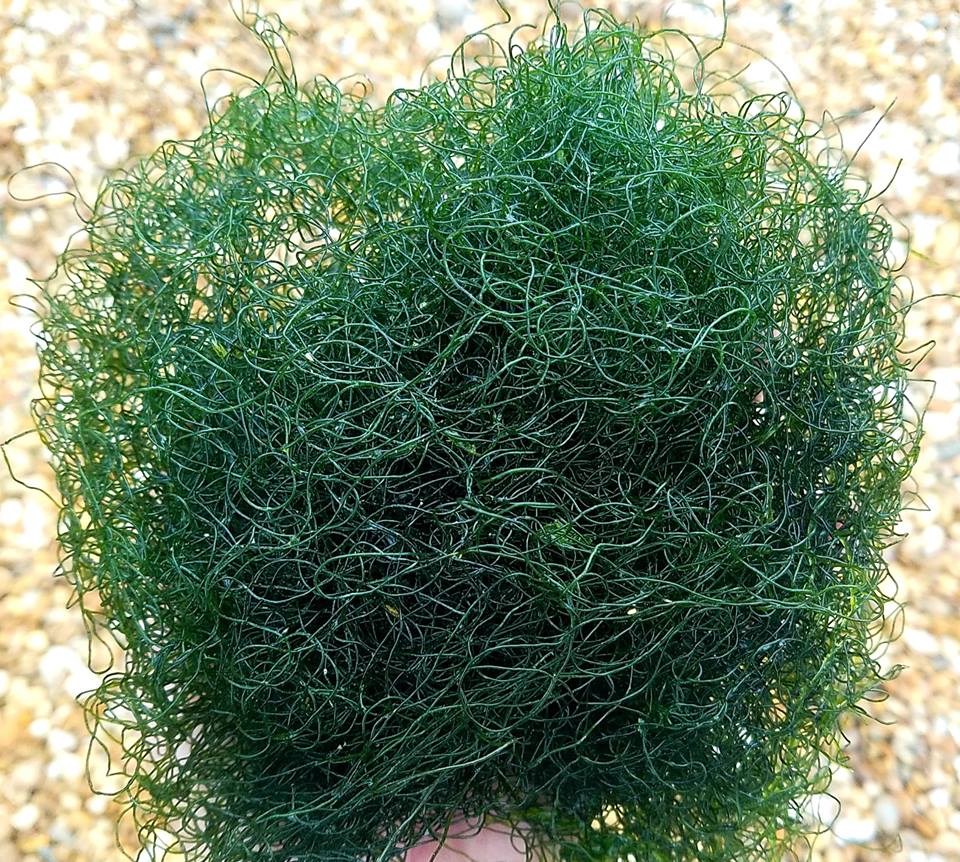
1/2 Cup Chaetomorpha Macro Algae Chaeto Reef-
$7.99
Ships FedEx Priority Overnight, Mon–Wed only
Covered by our Live Arrival Guarantee
From the farm
This macro algae is one of the hardiest beginner algaes. Great for introducing into marine aquariums. As a nutrient exporter, it absorbs, or feeds on dissolved organic waste. This algae thrives on fish waste, nitrates, & phosphates. These dangerous biochemicals that we constantly strive to keep down in our saltwater aquariums, which are poison to our fish and invertebrates, are the food that this algae consumes. Thus it is a big contributor to maintaining a healthy aquarium system for our captive kept animals. So you can say it helps along with our protein skimmers to purify our water. Introducing this micro algae is a natural way of maintaining good water quality for our corals also. INFORMATION ABOUT CHAETOMORPHA Chaetomorpha is a type of macroalgae that grows in long, green strands that form into clumps. Reef aquarium hobbyists grow chaetomorpha in their tanks, because it easily absorbs nutrients from the water and is easy to care for. The plant also provides a suitable habitat for organisms in the tank, such as copepods, amphipods, and small starfish. Hobbyists who wish to grow chaetomorpha in a reef aquarium should review important growing requirements and care tips. Growing Requirements It is necessary to adhere to the growing requirements of chaetomorpha to help it flourish. Simulating a natural habitat for the plant also keeps the organisms that depend on it healthy. Proper environmental conditions and lighting are some of the factors that hobbyists should understand. Planting Method Chaetomorpha is a free-flowing plant. When adding the plant to an aquarium, gently place it near the bottom of the tank. The natural water movement of the habitat helps prevent an excessive buildup of detritus that can hinder growth. Organisms live and thrive within the clumped mass of the plant as it floats along the bottom. Light Like all plants, chaetomorpha algae photosynthesize, and light is a source of energy for the process. Chaetomorpha thrives in low light. One 25-watt bulb is an ideal light source for the plant to survive. Providing too much light or using bright, direct light can hinder growth or kill the plant. Water Environment Chaetomorpha needs a water temperature between 68 and 75 degrees Fahrenheit to thrive. Cool down warmer water with a supply of cold water on the surface or the use of an aquarium air conditioner. A proper pH level can range from seven to nine, with an optimal range of 8.2 to 8.7. Culture collapse can result from an inconsistent or improper pH levels. Aerating or mixing the culture can help keep a consistent pH level. Keep salinity levels between 20 and 24 psu. Aeration and Mixing Aeration and mixing prevents algae sedimentation and keeps the plant cells equally exposed to light and nutrients. It also develops a healthy transfer of gas between the culture medium and air. This is important to help the plant take in carbon dioxide to survive and thrive. Proper aeration and mixing is possible by stirring the water daily by hand or using an aquarium pump to circulate the water evenly. Paddle wheels and jet pumps work well for chaetomorpha that grows in outdoor ponds. Pruning Pruning is only required if the chaetomorpha plant becomes so large and dense that it begins to choke out other plant life or take over the environment. Prune the plant by gently pulling away handfuls of it and removing it from the environment. Recycle the pruned pieces of chaetomorpha by placing it in a separate tank or donating it to other hobbyists who keep reef tanks. Spore Release One of the most common obstacles involved with growing chaetomorpha is when the algae release spores. This happens when the algae is stressed and dying. It is easy to spot the occurrence of spore release. The plant turns white, and the water quickly becomes cloudy. Spore production results from lack of nutrition, poor lighting, or lack of pruning. Give the plant a long period of light exposure each day, followed by eight hours of darkness. Keep the pH and temperature as consistent as possible, and do not neglect pruning when the pla